The corridors at dawn: Ramanathaswamy, Rameswaram
On an island at the tip of India, a temple of endless pillared corridors receives pilgrims who bathe first in the sea and then in twenty-two sacred wells. Come at dawn and walk the corridors before the crowds.
i
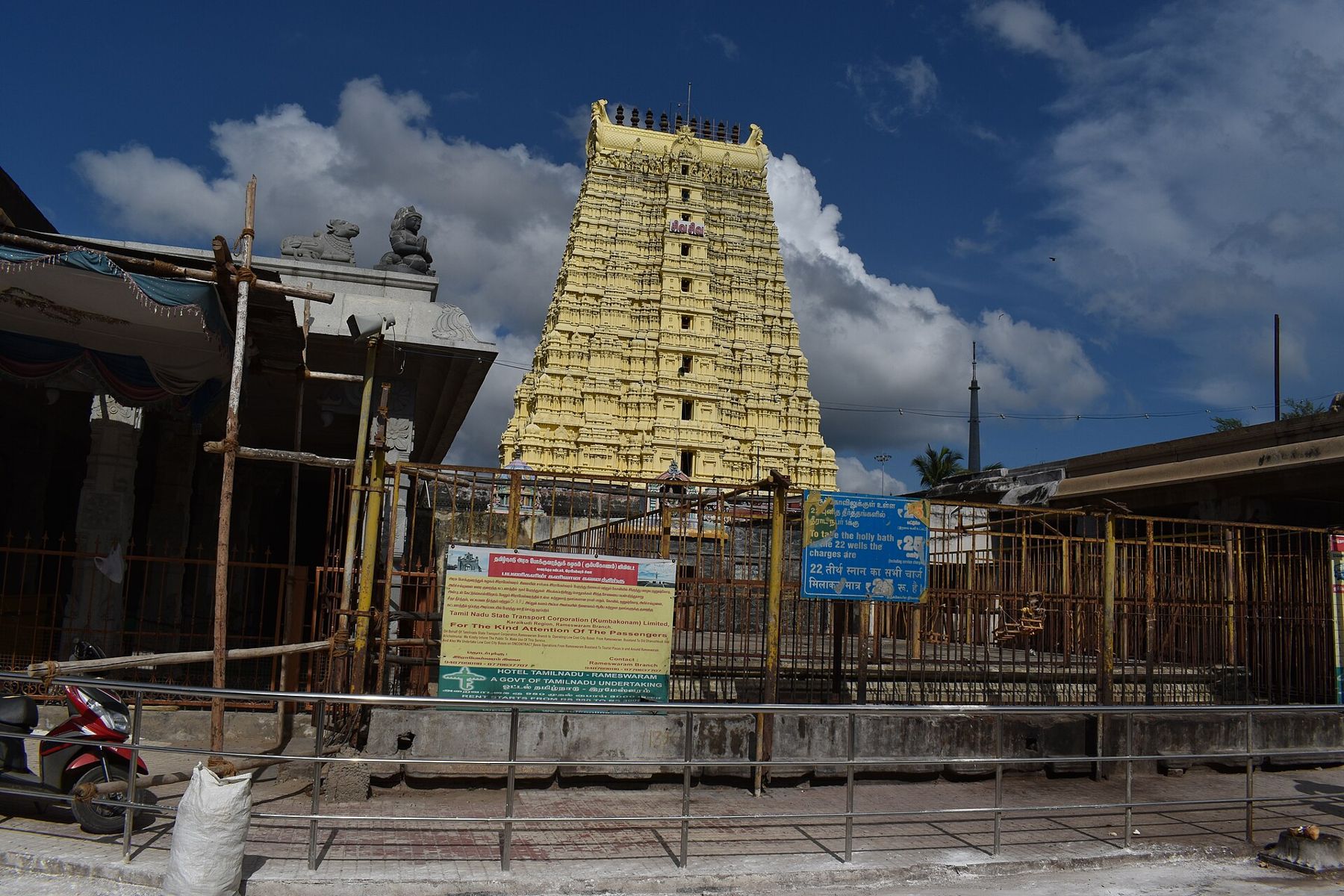
Wanderlusts · CC BY-SA 4.0Rameswaram sits on Pamban Island, off the southeastern coast of Tamil Nadu, closer to Sri Lanka than to most of India. It is one of the holiest places in the country for Hindus: the Ramanathaswamy Temple is counted among the twelve jyotirlinga shrines of Shiva and is one of the four great pilgrimage destinations known as the Char Dham. For visitors, it is famous above all for its corridors, long pillared halls that seem to go on forever, and for a ritual of water unlike that of any other temple in the south.
The story behind the temple
Temple tradition links Rameswaram to the Ramayana. After his war against Ravana in Lanka, Rama is said to have wished to worship Shiva here to atone for the killing. The lingam in the temple is associated with that act of worship, and a second lingam is linked to Hanuman, who was sent to bring one from the Himalayas. These are matters of faith, told and retold in the temple's art and by the pilgrims who come from every part of India.
The temple as it stands was built and enlarged over several centuries, with major work from around the twelfth century onward and much of the present plan dating from the seventeenth and eighteenth centuries under the Sethupathi rulers of Ramanathapuram, the local dynasty who guarded the pilgrim route.
i
Wanderlusts · CC BY-SA 4.0The corridors
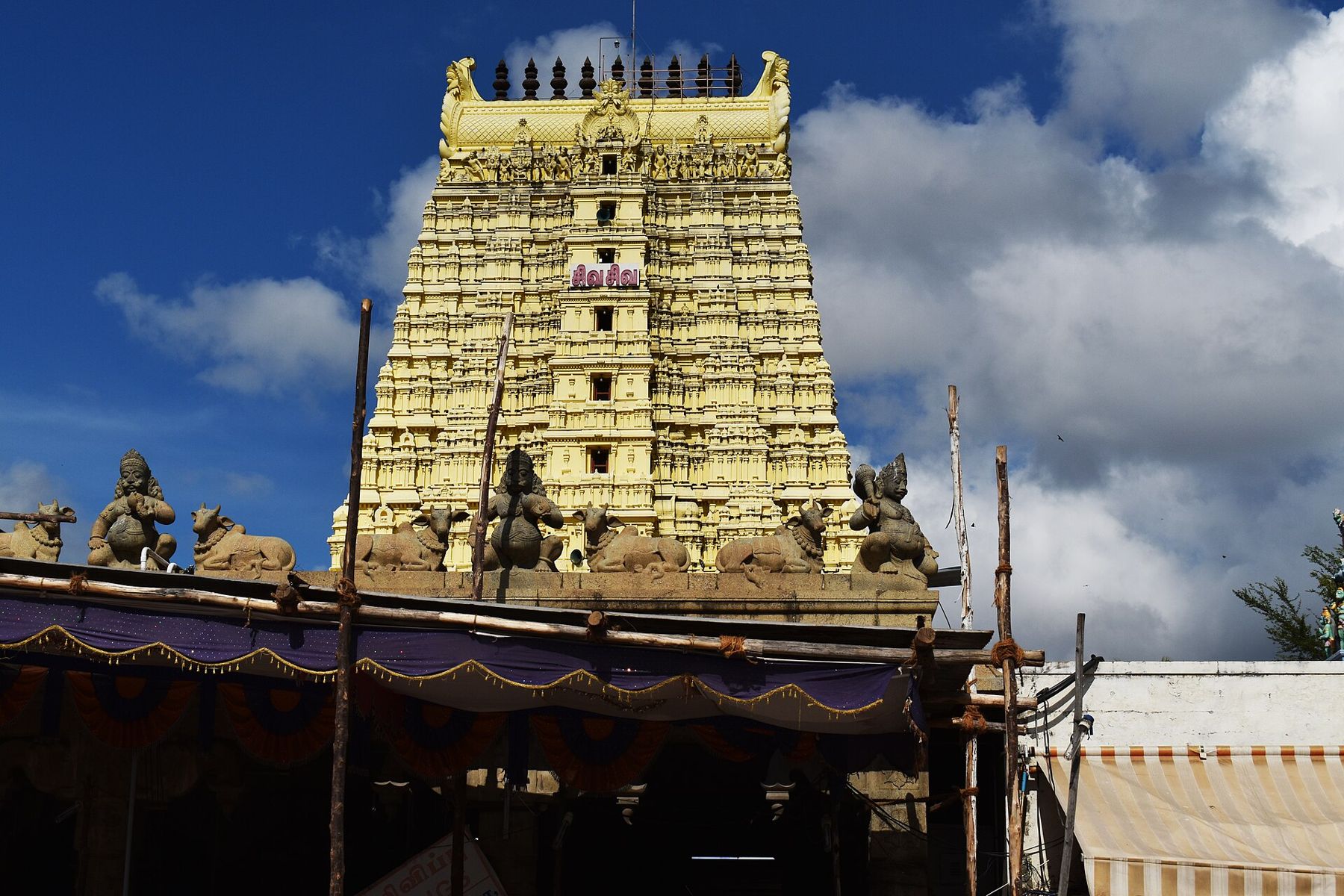
The outer corridor of the temple is famous for its length. Running around the inner complex in a great rectangle, it is often described as the longest temple corridor in India, with well over a thousand carved pillars set on a raised platform on either side. The pillars carry brackets and painted ceilings, and the perspective down any one side, with columns receding into the distance, is one of the most photographed sights in South India.
At dawn, before the crowds build, the corridor is quiet enough to hear bare feet on the stone and bells from the inner shrines. Light comes in from the ends and the openings onto the courtyards. Walking it slowly is a meditation of its own, even if you never go further in.
Walking it slowly is a meditation of its own, even if you never go further in.
The twenty-two wells
Inside the temple are the theerthams, sacred wells, traditionally counted as twenty-two. Pilgrims move from one to the next while attendants draw water in buckets and pour it over them. Each well is associated with a different deity or story, and the water from each is believed to have its own power. The ritual takes a while, the floors are wet throughout, and people emerge soaked to the skin before going on to the shrines in dry clothes.
The ritual is usually organised through the temple, which sets the arrangements and any charges; ask at the temple office rather than accepting offers from strangers outside. If you do not wish to take part, you can watch from the edges, without photographing people in wet clothes.
Agni Theertham: the sea first
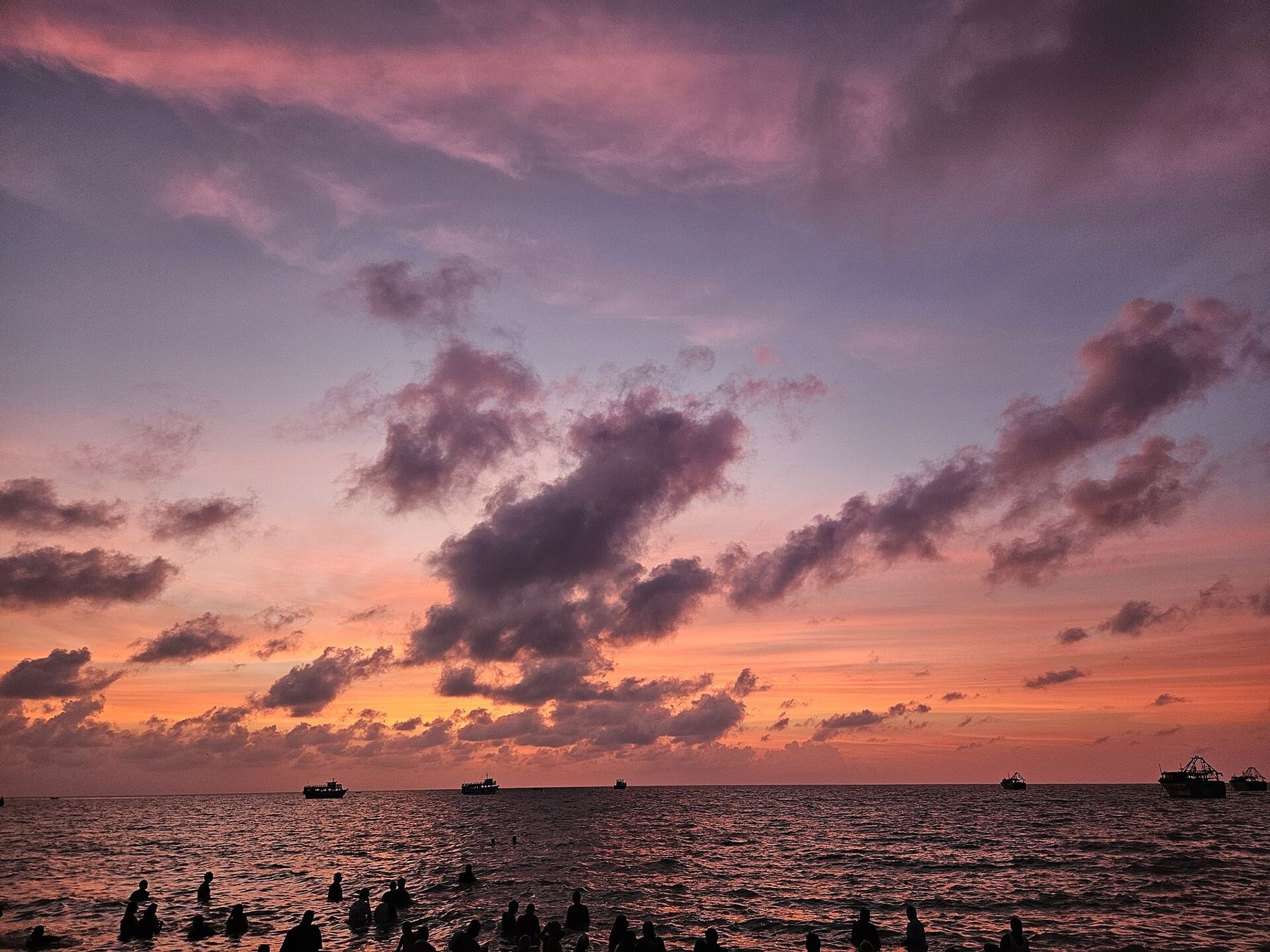
Storey VI · RameswaramPamban Bridge and the road to DhanushkodiMany pilgrims begin at Agni Theertham, the stretch of shore in front of the temple's eastern entrance, where they bathe in the sea before entering. Early morning is the busiest and most beautiful time, with the sun rising over the water and crowds of people in the shallows. The sea here is usually calm, sheltered by the island, but take care with children and do not go beyond your depth.
i
PrishitaBose · CC0Visiting respectfully
- Entry to the inner sanctum may be restricted to Hindus; signs and staff will show where to stop.
- Dress conservatively. Many temples in Tamil Nadu ask men to wear a dhoti and women a sari or long dress for entry to inner parts; rules vary and change, so ask at the gate.
- Mobile phones and cameras are often not permitted inside. Leave them at the counters, or at your lodging.
- Carry a change of clothes and a plastic bag for wet ones if you plan to take part in the well ritual.
- The temple usually closes for part of the afternoon and reopens in the evening; check the hours locally.
i
Shajinss · CC BY-SA 4.0The town and the island
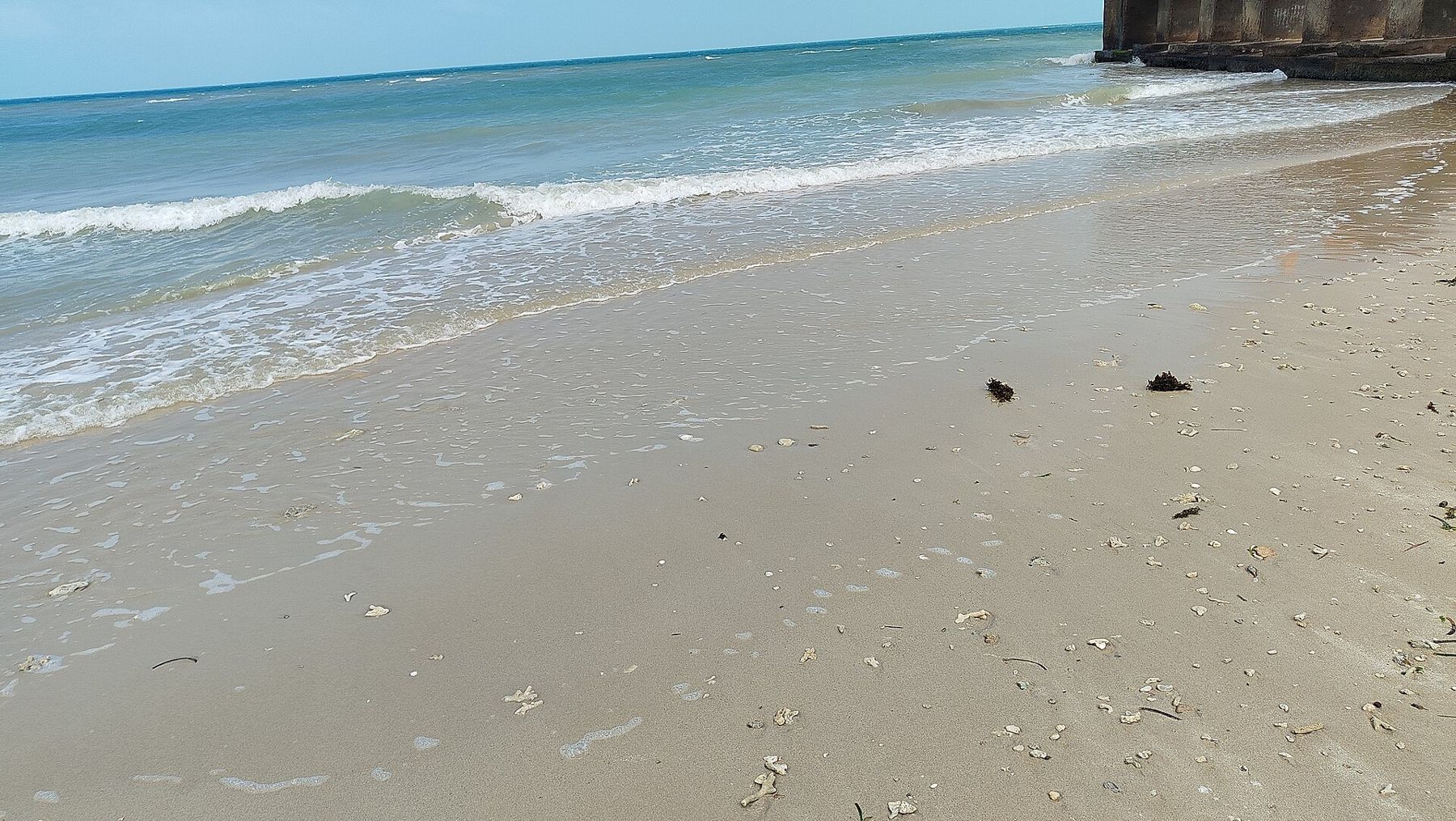
Rameswaram town grew around the temple, and its streets are lined with lodgings for pilgrims, shops selling offerings and religious pictures, and small eating places serving simple vegetarian meals. Around the temple, the four car streets carry the deities' processions on festival days. The rest of the island is low and sandy, with palm groves, fishing villages and small shrines linked to episodes of the Ramayana, several of which pilgrims visit by auto-rickshaw in a loop around the island.
The fishing harbour on the north side of the town is lively in the early morning when boats come in. It is a working place; keep out of the way of people unloading, and ask before taking close photographs.
Reading the corridor pillars
Look closely at the pillars as you walk. Each sits on a raised platform with carved bases, and many carry small figures of deities, donors and animals near the top, below the brackets that support the beams. The ceilings are painted with medallions and patterns, renewed during periodic restorations. The repetition is deliberate: the eye runs down the line of pillars, and the corridor seems to stretch far beyond its real length. Pause at the corners, where the corridors meet, for the best sense of their scale.
Other corridors run inside the outer one, around the inner enclosures, each a little shorter and closer to the shrines. In the busiest hours they fill with pilgrims moving from well to well, and the floors are wet, so walk carefully.
Give the temple at least two visits: one at dawn for the corridors, and one in the evening, when the lamps are lit and the crowds have a different, gentler rhythm.
Months that suit the temple
The cooler months from November to February are the most comfortable. The weeks around Maha Shivaratri, usually in February or March, and the new moon of the Tamil month of Aadi, around July or August, draw especially large crowds, when queues can last hours. The northeast monsoon brings heavy rain to this coast, usually from October to December, and cyclones are possible in the Bay of Bengal in those months.
Rameswaram is small, and the temple is in the middle of the town. Stay at least one night, so you can be in the corridors at dawn. Then cross to the other end of the island: see Pamban Bridge and the road to Dhanushkodi. For the journey here from Madurai, read linking the six towns, and for temple manners in general, visiting a Tamil temple well.