Darasuram and Gangaikonda Cholapuram
Two quieter Chola temples near Kumbakonam complete the story Thanjavur begins: one small and exquisite, one a king's answer to his father's great tower.
i
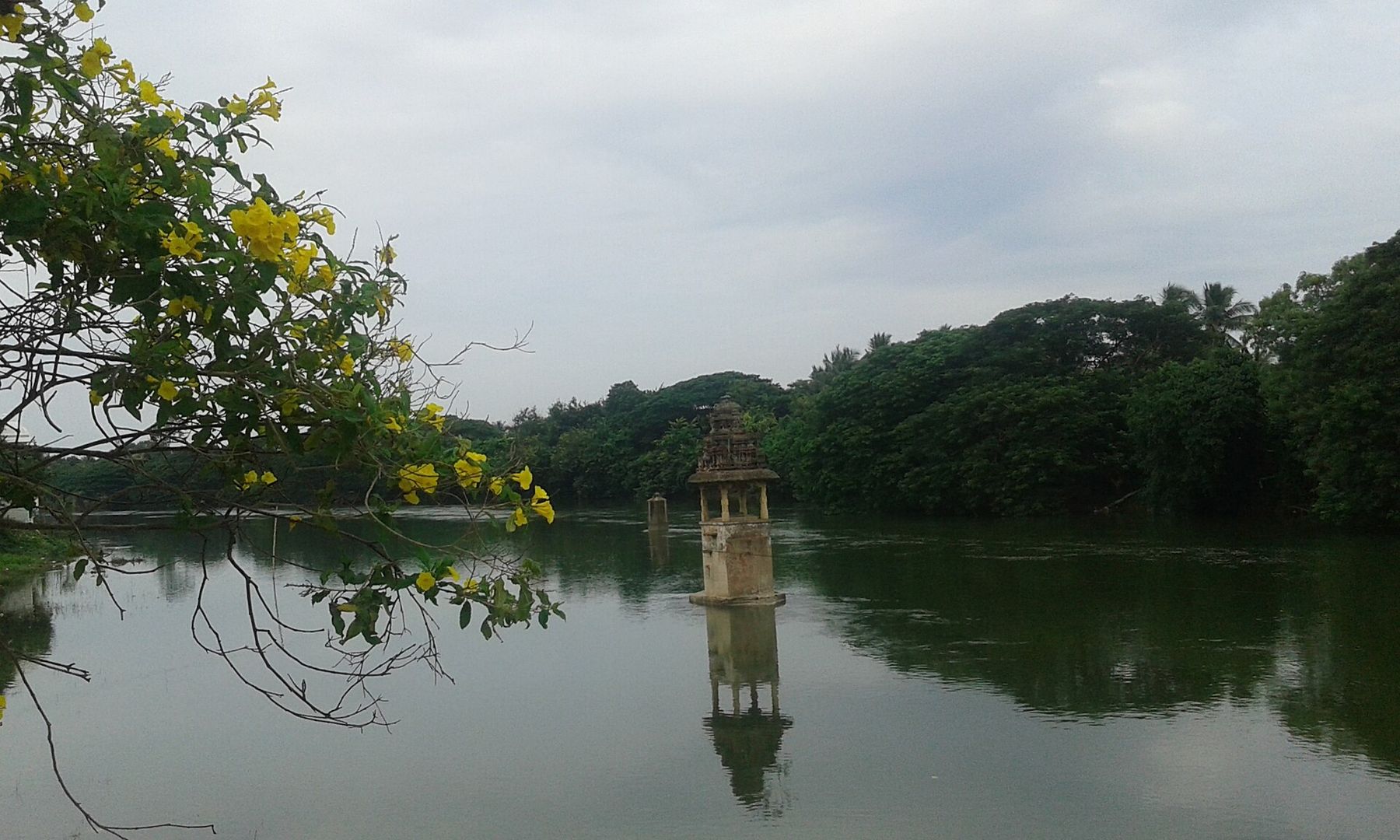
Ssriram mt · CC BY-SA 4.0Thanjavur's great temple has two companions in the UNESCO listing of the Great Living Chola Temples. Both are within reach of Kumbakonam, the temple town on the Kaveri that makes the easiest base for this part of the delta. Neither draws the crowds of Thanjavur, and that is part of their appeal: you can often walk around them with only a few families and a temple attendant for company.
Kumbakonam, the base
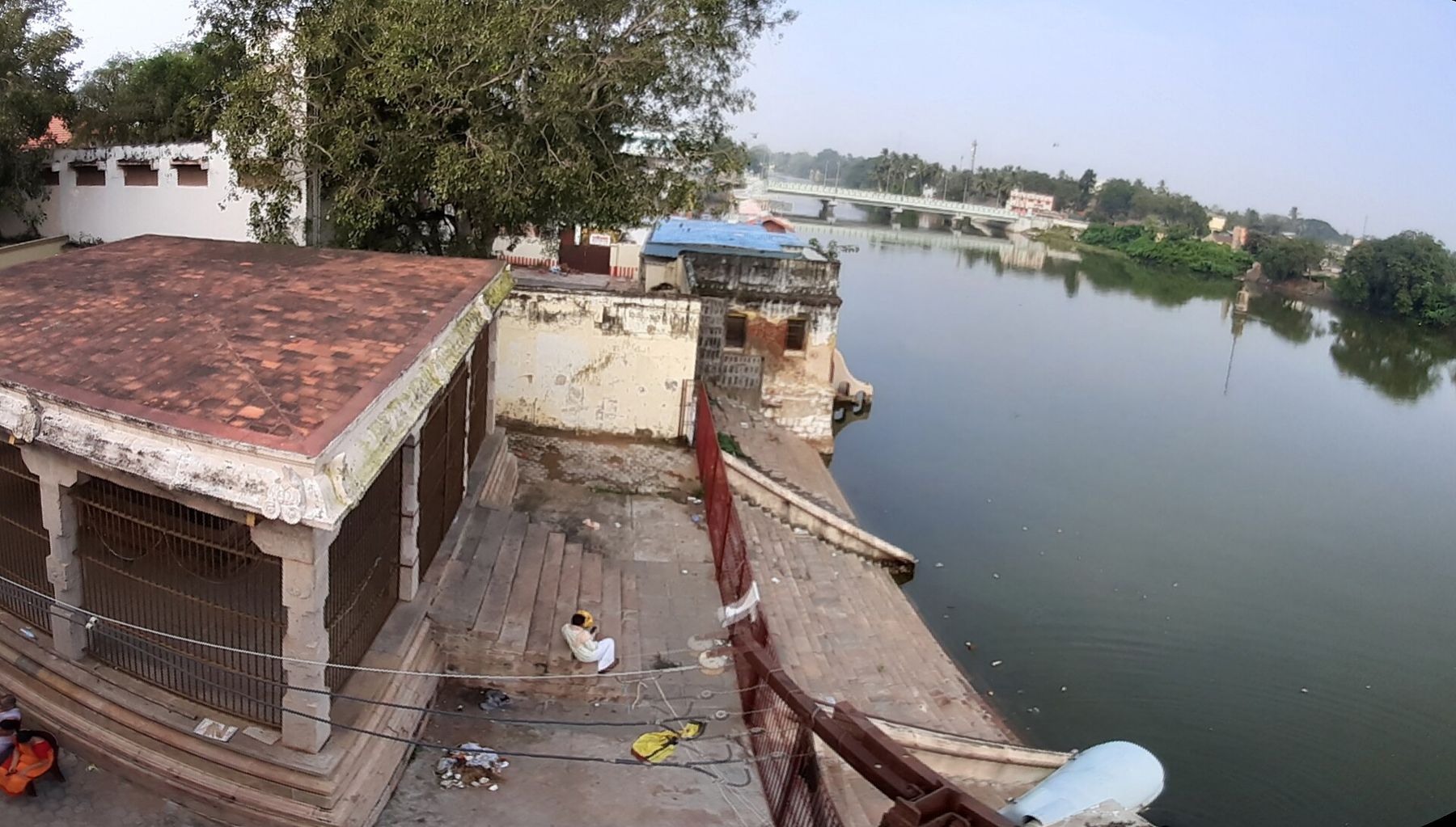
Kumbakonam is a busy small city on the banks of the Kaveri, crowded with temples of its own. Its best known gathering is the Mahamaham, a festival held about once every twelve years at the large Mahamaham tank, when enormous crowds come to bathe. Between festivals, the town is a practical place to stay, with buses and taxis to the surrounding temples.
i
Ssriram mt · CC BY-SA 4.0The delta here is green rice country crossed by channels of the Kaveri. Roads are narrow and busy, distances short. Darasuram is only a few kilometres from the town centre. Gangaikonda Cholapuram lies farther north, a drive of about an hour.
Darasuram: the Airavatesvara temple
The Airavatesvara temple at Darasuram was built in the twelfth century under the Chola king Rajaraja II. It is much smaller than Thanjavur, and much more intricate. Every surface seems to carry a frieze: dancers, musicians, gods, animals and scenes from stories, many of them only a few centimetres tall. It rewards slow looking more than almost any temple in the region.
The front hall is built in the form of a chariot, with carved stone wheels and horses at its sides, as if the whole mandapam could be drawn away. At the entrance a set of stone steps is known for producing different musical notes when struck. They are now protected, and visitors are asked not to tap them.
The temple sits a little below the level of the surrounding ground, and after heavy rain water can collect in the courtyard. It is a reminder that this is a river landscape, shaped by the Kaveri's floods.
Gangaikonda Cholapuram
The name means the city of the Chola who conquered the Ganga. Rajendra I, son of Raja Raja, founded a new capital here in the early eleventh century to celebrate a military expedition to the north, and built a great Shiva temple at its heart. The city has almost entirely vanished. The temple remains, standing alone among fields and villages.
Its vimana is lower than Thanjavur's, at a little over fifty metres, and its profile is different: the sides curve gently inward as they rise, giving the tower a softer, more graceful outline. Walking round it, many visitors find it the more beautiful of the two. The sculpture on the walls is outstanding, including a celebrated panel of Shiva blessing a devotee with a garland.
i
Ssriram mt · CC BY-SA 4.0Like Thanjavur, the temple has a large Nandi in the courtyard. Near the entrance is a well, entered through a carved lion's mouth, which local tradition links to water brought from the Ganga.
Storey II · ThanjavurHow the great tower was built: Thanjavur's BrihadeeswararReading the friezes
At Darasuram, take time over the small panels that run along the base of the halls and around the sanctum. Some show episodes from the lives of Shaiva saints, the Nayanmars, whose hymns are still sung in Tamil temples. Others are pure delight: acrobats, wrestlers, musicians with drums and cymbals, dancers caught in mid-step. The scale is tiny, so step close, and come back at a different hour if you can, because the angle of the light changes what you notice.
At Gangaikonda Cholapuram the sculpture is larger and grander, set in deep niches in the walls of the vimana. Among the figures are Shiva as the lord of dance, Shiva emerging from a flaming pillar, and the goddess of learning. The scale is royal, and so is the confidence. Together the two temples show the Chola style at two moments: a son building in his father's shadow, and a later king making something small and perfect.
Seeing both in a day
A practical plan is Darasuram early in the morning, when the light is soft on the friezes, then the drive north to Gangaikonda Cholapuram before the midday heat. Return by afternoon to Kumbakonam or go on to Thanjavur. Hiring a car for the day is the simplest arrangement; buses run to both, but connections take time.
Both temples are protected monuments and still have worship. Opening hours and any entry charges are set locally, and both usually close for part of the middle of the day, so check before you set out.
If you have more time, the delta is dense with other temples, many of them associated with particular planets or saints and visited in circuits by pilgrims. A slower day of wandering between villages, with stops wherever a gopuram catches your eye, is one of the pleasures of this region.
Manners and comfort
Shoes come off at the entrance. The stone courtyards heat up quickly in the sun, so socks are useful and early starts are better. Photography of the exteriors is usually allowed; inside the shrines it is not. Dress with shoulders and knees covered.
For the bigger tower that started it all, see Thanjavur's Brihadeeswarar. For the road on to Srirangam and Tiruchirappalli, see linking the six towns, and for festival days in the delta, a year of temple festivals.